

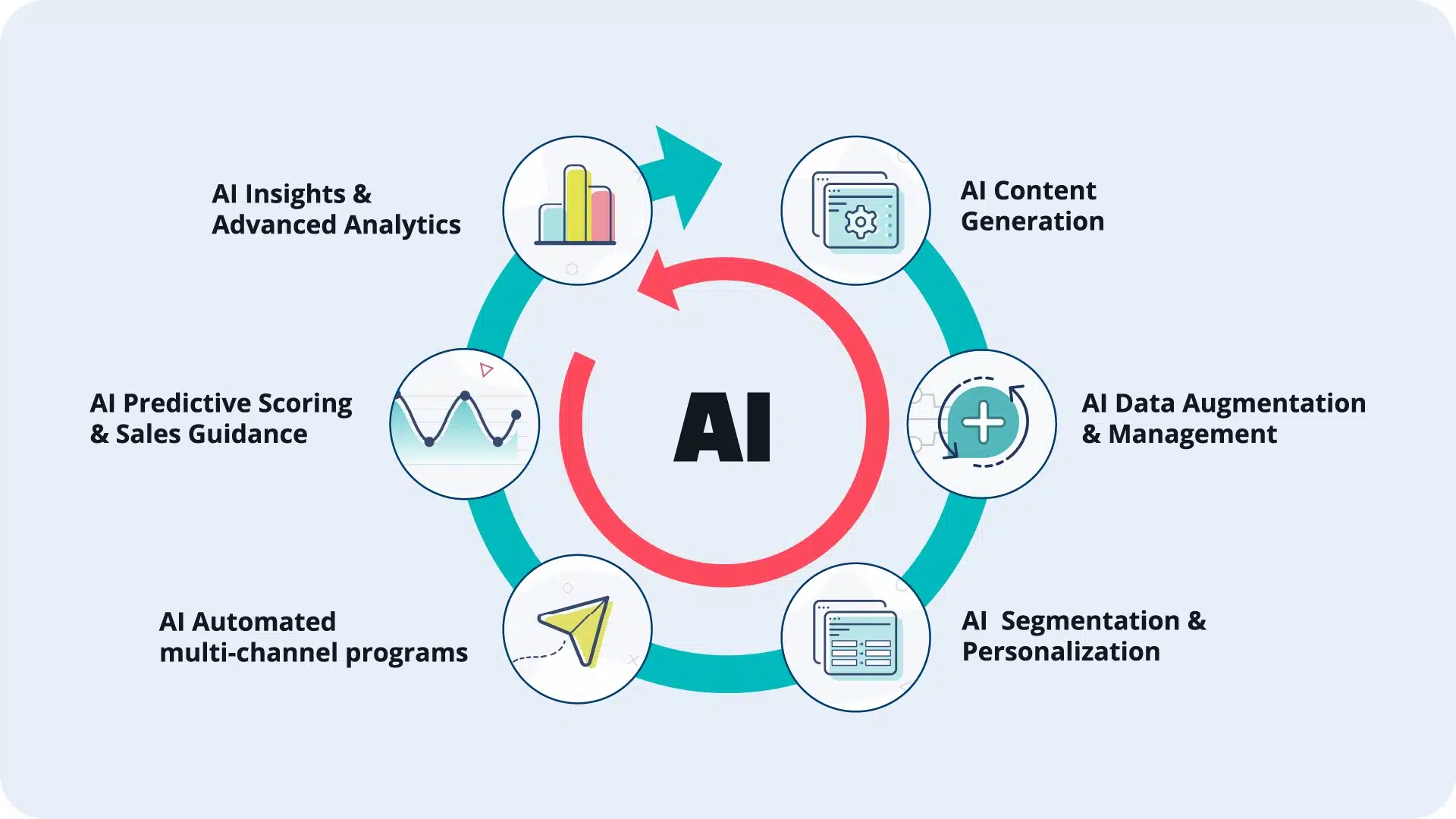
Digital marketing didn’t just evolve after the AI boom — it shifted its foundation.
Earlier, success depended heavily on manual effort: writing content, analyzing data, running ads, replying to customers, optimizing campaigns, and repeating the same processes again and again. AI didn’t replace digital marketing — it redefined how work is done, how decisions are made, and what skills actually matter.
In 2026, brands that understand this shift are growing faster, while those treating AI as a “tool” rather than a “strategy” are slowly falling behind.
Let’s break down what’s truly changing in digital marketing after the AI boom — without hype, without jargon, and with real clarity.
1. Marketing Has Shifted From Guesswork to Predictive Decisions
Before AI, marketing decisions were often based on:
- Past campaign results
- Industry benchmarks
- Experience and intuition
Now, AI allows marketers to predict outcomes before spending money.
AI analyzes:
- User behavior patterns
- Purchase intent signals
- Engagement timing
- Platform-specific trends
Instead of asking “What worked last time?”, marketers now ask:
“What is most likely to work next?”
What changed?
- Campaign planning is proactive, not reactive
- Budgets are allocated based on probability, not assumptions
- Testing cycles are shorter and smarter
Marketing is no longer about experimenting blindly — it’s about forecasting performance.
2. Content Is No Longer About Volume — It’s About Value
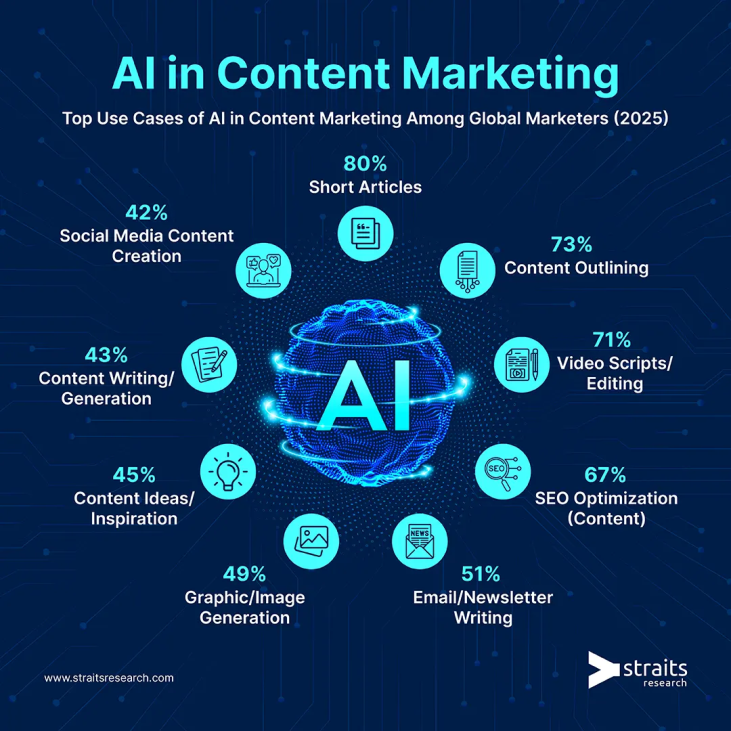
After the AI boom, content flooded the internet.
Everyone could suddenly:
- Write blogs faster
- Create captions instantly
- Generate scripts in seconds
As a result, content quantity lost its power.
What changed?
Search engines, social platforms, and audiences started rewarding:
- Original insights
- First-hand experience
- Brand voice and personality
- Real opinions, not generic explanations
AI can create content — but only humans create connection.
Today, winning content:
- Tells stories
- Shares lived experiences
- Offers unique viewpoints
- Solves specific problems deeply
The role of AI is now support, not substitution.
3. SEO Has Moved Beyond Keywords to Intent & Experience
SEO after the AI boom is less about what people type and more about why they search.
Search engines now understand:
- Search intent
- Context
- Content depth
- User satisfaction signals
What changed?
Old SEO focused on:
- Keyword density
- Backlinks quantity
- Exact match phrases
Modern SEO focuses on:
- Topic authority
- Helpful content
- User engagement
- Real value delivery
AI helps marketers understand:
- What users actually want
- Which questions remain unanswered
- How people navigate content
SEO today is about earning trust, not tricking algorithms.
4. Ads Are Smarter, But Creativity Matters More Than Ever
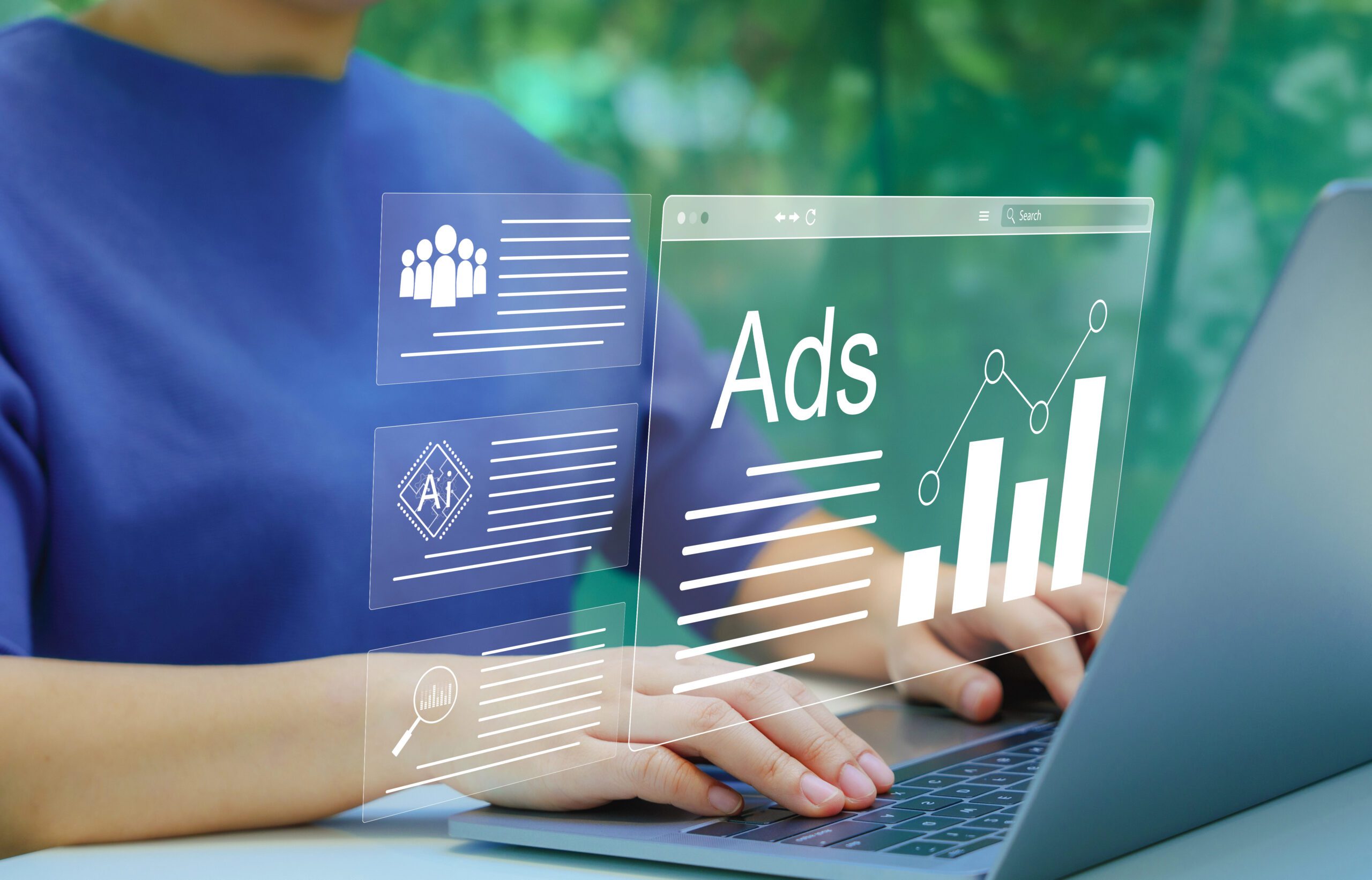
AI now handles:
- Audience targeting
- Budget optimization
- Bidding strategies
- Performance forecasting
So where do humans come in?
Creativity.
What changed?
Because AI optimizes delivery, the ad creative itself determines success.
People ignore:
- Generic visuals
- Sales-heavy messaging
- Repetitive formats
They engage with:
- Emotion
- Relatable storytelling
- Honest messaging
- Authentic brand voices
AI makes ads efficient.
Humans make ads memorable.
5. Personalization Has Become the Default, Not a Bonus
Earlier, personalization meant:
- Using a customer’s name in an email
- Showing product recommendations
Now, personalization happens at every touchpoint.
AI enables:
- Dynamic website content
- Personalized email flows
- Adaptive landing pages
- Context-based messaging
What changed?
Users now expect brands to:
- Understand their needs
- Remember their preferences
- Communicate at the right time
- Avoid irrelevant messages
If marketing feels generic in 2026, it feels outdated.
6. Customer Journeys Are No Longer Linear
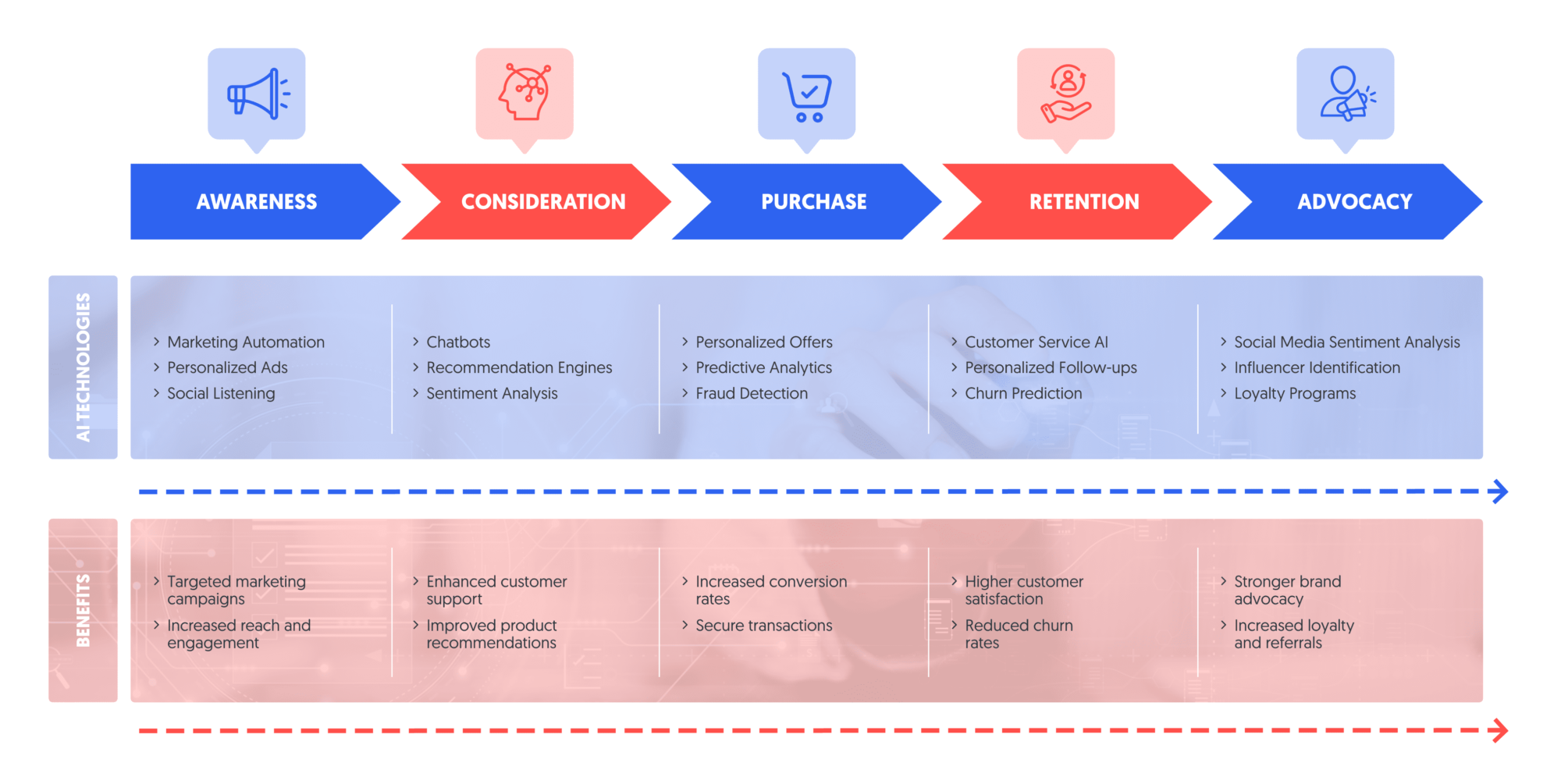
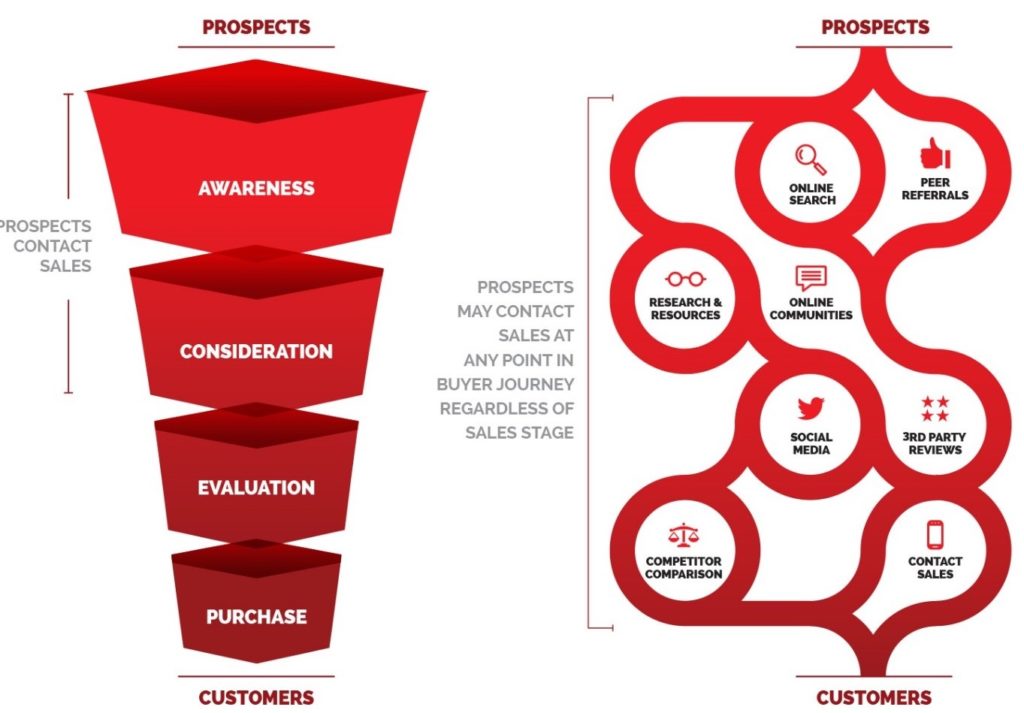

The old funnel:
Awareness → Consideration → Purchase → Loyalty
The new journey?
Messy, multi-channel, unpredictable.
AI helps marketers:
- Track users across platforms
- Understand micro-interactions
- Identify drop-off points
- Optimize journeys in real time
What changed?
Marketing is now about:
- Guiding users, not pushing them
- Being present at the right moment
- Supporting decisions instead of forcing sales
The focus has shifted from funnels to experiences.
7. Data Is Abundant — Interpretation Is the Real Skill
AI provides massive amounts of data:
- Performance metrics
- Behavior insights
- Conversion probabilities
But data alone doesn’t create growth.
What changed?
The most valuable marketers today are not those who collect data, but those who:
- Interpret it correctly
- Ask the right questions
- Turn insights into action
AI shows what is happening.
Humans decide what to do next.
8. Trust, Transparency, and Ethics Matter More Than Ever
With AI everywhere, audiences are becoming more aware — and more cautious.
People want to know:
- Is this content real?
- Is this review authentic?
- Is my data safe?
What changed?
Brands that rely on manipulation, fake urgency, or misleading automation are losing credibility.
Winning brands are:
- Transparent about AI usage
- Honest in communication
- Ethical with data
- Clear in value proposition
Trust has become a competitive advantage.
9. The Role of Digital Marketers Has Evolved
After the AI boom, marketers are no longer just:
- Content creators
- Campaign managers
- Platform operators
They are now:
- Strategists
- Experience designers
- Brand storytellers
- Decision-makers
What changed?
AI handles execution speed.
Humans handle direction and meaning.
The future belongs to marketers who can:
- Think critically
- Understand psychology
- Build genuine brands
- Use AI intelligently, not blindly
10. Digital Marketing Is More Human Than Ever
This might sound ironic — but it’s true.
As automation increases, human qualities stand out more:
- Empathy
- Creativity
- Authenticity
- Emotional intelligence
AI removed repetitive work.
What remains is connection.
Brands that grow after the AI boom are those that:
- Talk like humans
- Act like humans
- Care like humans
Final Thoughts: AI Changed the Game, But Humans Still Win It
The AI boom didn’t end digital marketing — it raised the bar.
Success in modern digital marketing isn’t about:
- Using every AI tool
- Publishing faster than others
- Automating everything
It’s about:
- Using AI wisely
- Creating meaningful experiences
- Building trust at scale
- Staying human in a digital world
AI is powerful.
But human thinking is irreplaceable.
And that’s what truly defines digital marketing after the AI boom.
