

Every time you search something on Google and see results marked “Ad,” or scroll Instagram and pause at a sponsored post, you’re witnessing Pay Per Click marketing in action.
PPC is not magic.
It’s not gambling.
And it’s definitely not “burning money” — if done right.
In fact, PPC is one of the fastest ways to bring targeted traffic, leads, and sales to a business. But it’s also one of the easiest ways to waste money when strategy is missing.
Let’s break PPC down honestly, simply, and practically — without jargon, hype, or robotic explanations.
What Is Pay Per Click (PPC) Marketing? (In Simple Human Language)
Pay Per Click marketing means you pay only when someone clicks on your ad.
Not when it’s shown.
Not when people scroll past it.
Only when someone is interested enough to click.
You’re essentially saying:
“I’ll pay to show my offer to the right people — and I’ll only pay if they engage.”
That’s what makes PPC powerful.
Why PPC Exists in the First Place
Organic marketing takes time.
SEO takes months.
Social media growth takes consistency.
Content takes patience.
But businesses often need results now.
PPC exists to:
- Get instant visibility
- Reach ready-to-buy audiences
- Test offers quickly
- Scale what’s already working
Think of PPC as a fast lane, not a shortcut.
How PPC Marketing Actually Works (No Technical Headache)
At its core, PPC works like an auction.
Advertisers bid to show their ads to a specific audience.
But here’s the twist — money alone doesn’t decide who wins.
Platforms consider:
- Relevance of the ad
- Quality of content
- Landing page experience
- Expected engagement
So the best ad doesn’t always belong to the highest bidder — it belongs to the smartest strategist.
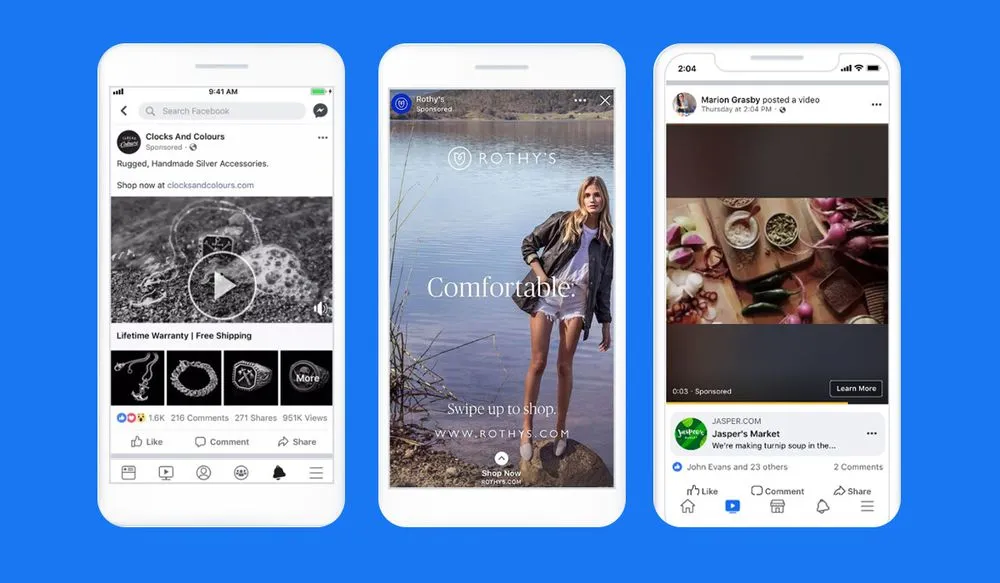
Popular PPC Platforms Used by Marketers

5
Different platforms serve different purposes. Good PPC marketers don’t treat them the same.
Google Ads
Best for:
- High-intent searches
- Product and service demand
- Immediate conversions
When someone searches “best dentist near me,” they’re ready to act.
Meta Ads
Best for:
- Brand awareness
- Interest-based targeting
- Visual storytelling
People may not be searching — but you’re planting desire.
YouTube Ads
Best for:
- Education
- Brand trust
- Long-term influence
Great for businesses that need explanation before conversion.
LinkedIn Ads
Best for:
- B2B leads
- High-value services
- Professional targeting
More expensive, but highly precise.
Types of PPC Ads You Should Know
PPC is not just one ad type. It comes in many forms:
Search Ads
Text ads shown on search results.
- High intent
- Strong conversion potential
Display Ads
Banner ads on websites.
- Awareness focused
- Remarketing friendly
Shopping Ads
Product-based ads with prices.
- E-commerce focused
- High purchase intent
Video Ads
Short or long video formats.
- Brand storytelling
- Emotional connection
Remarketing Ads
Ads shown to people who already visited you.
- Highest ROI potential
- Strong reminder effect
Why PPC Marketing Is So Powerful
PPC gives you control that organic marketing can’t.
You control:
- Who sees your ads
- When they see them
- How much you spend
- What message they see
Other benefits:
- Immediate traffic
- Measurable results
- Scalable campaigns
- Data-driven decisions
You’re not guessing — you’re testing and improving.
The Real Cost of PPC (And the Biggest Myth)
Many people say:
“PPC is expensive.”
The truth?
Bad PPC is expensive. Good PPC is profitable.
You don’t lose money because of clicks.
You lose money because of:
- Wrong targeting
- Weak copy
- Poor landing pages
- No tracking
PPC doesn’t fail — strategies do.
Understanding Keywords in PPC
Keywords are the backbone of search-based PPC.
There are:
- High-intent keywords (ready buyers)
- Informational keywords (research stage)
- Branded keywords
- Long-tail keywords
Smart marketers don’t chase volume.
They chase intent.
The Role of Landing Pages in PPC Success
Sending paid traffic to a weak page is like inviting guests to a messy house.
A good landing page:
- Matches the ad message
- Loads fast
- Has one clear goal
- Removes distractions
- Builds trust
Your ad brings the visitor.
Your page converts them.
PPC vs SEO vs Social Media (Simple Comparison)
| Channel | Speed | Cost | Long-Term |
|---|---|---|---|
| PPC | Fast | Paid | Short-term |
| SEO | Slow | Organic | Long-term |
| Social Media | Medium | Mixed | Relationship-based |
The smartest brands don’t choose one — they combine all three.
PPC for Small Businesses
You don’t need big budgets to win PPC.
Small businesses can:
- Target local searches
- Focus on specific keywords
- Use remarketing wisely
- Test with small budgets
PPC rewards precision, not size.
Common PPC Mistakes That Waste Money
- Running ads without clear goals
- Ignoring negative keywords
- Sending traffic to homepages
- Not tracking conversions
- Making changes without data
PPC is not “set and forget.”
It’s test, learn, optimize, repeat.
Measuring PPC Success (Beyond Clicks)
Clicks don’t pay bills.
Track:
- Conversions
- Cost per lead
- Return on ad spend (ROAS)
- Quality of leads
- Customer lifetime value
Good PPC is about profit, not popularity.
The Future of PPC Marketing
PPC is evolving fast.
What’s changing:
- Automation and AI bidding
- Privacy-focused tracking
- Creative quality importance
- First-party data usage
But one thing remains constant:
Relevance wins.
Ads that respect attention will outperform ads that interrupt.
Conclusion
Pay Per Click marketing is not about throwing money at platforms.
It’s about placing your message in front of the right person, at the right time, with the right intent.
When done thoughtfully, PPC becomes one of the most predictable and scalable growth channels in digital marketing.
You don’t pay for clicks.
You pay for opportunity.
And when opportunity meets strategy — results follow.
