

Every business that wants growth eventually faces this question:
Should we focus on organic leads or paid leads?
Some swear by organic marketing, calling paid leads “temporary and expensive.”
Others rely heavily on paid ads, saying organic growth is “too slow.”
The truth is — neither is good nor bad by default.
In 2026, the smartest businesses don’t blindly choose one. They understand how each works, what each costs, and when each makes sense.
This blog breaks down organic vs paid leads honestly, without hype or bias, so you can decide what’s best for your business stage, budget, and goals.
What Are Organic Leads?
Organic leads are people who find your business naturally, without you paying directly for their click or impression.
They come from:
- Search engines (SEO)
- Social media posts
- Blogs & content
- YouTube videos
- Referrals
- Email lists
- Community engagement
These leads discover you because:
- They searched for a solution
- They found value in your content
- They trust your expertise
Organic leads are earned, not bought.
What Are Paid Leads?


4
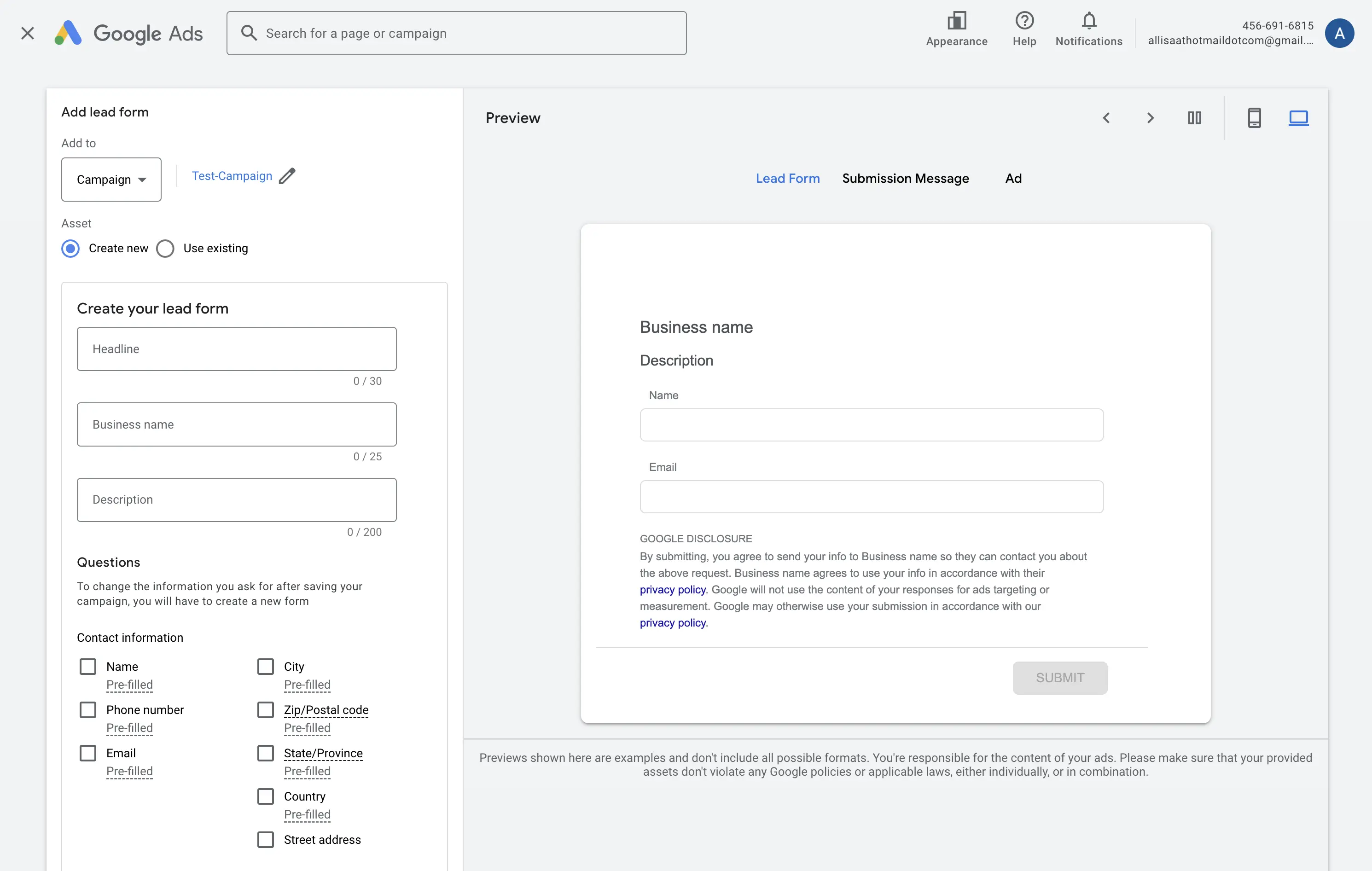
Paid leads come from advertising platforms where you pay to get visibility and traffic.
Common sources include:
- Google Ads
- Meta (Facebook & Instagram) Ads
- LinkedIn Ads
- YouTube Ads
- Native ads
You pay for:
- Clicks
- Impressions
- Conversions
- Lead forms
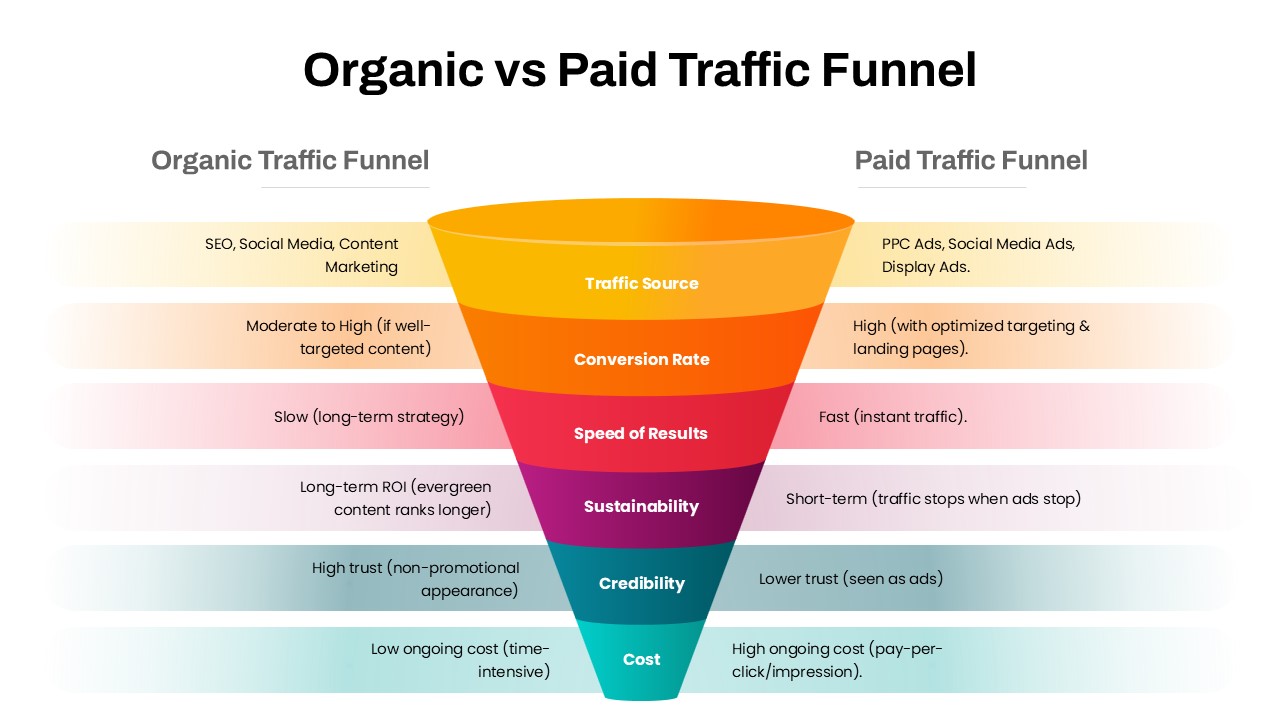
Paid leads are immediate — once the budget stops, the leads stop too.
The Core Difference: Intent vs Interruption
This is the most important difference people often miss.
Organic Leads = Intent-Driven
Organic leads come when users are:
- Actively searching
- Curious
- Willing to learn
- Exploring options
They choose to engage with you.
Paid Leads = Interruption-Driven
Paid leads often come when:
- Users are scrolling
- Not actively searching
- Distracted
- Reacting emotionally
You appear in front of them, whether they were looking or not.
This difference impacts:
- Trust
- Conversion rates
- Sales cycles
Cost Comparison: Short-Term vs Long-Term
Organic Leads Cost
Organic marketing requires:
- Time
- Effort
- Consistency
- Patience
Costs include:
- Content creation
- SEO tools
- Team or freelancer support
But once it works:
- Cost per lead drops
- Leads keep coming
- ROI compounds over time
Organic leads are slow to start but cheap to scale.
Paid Leads Cost
4
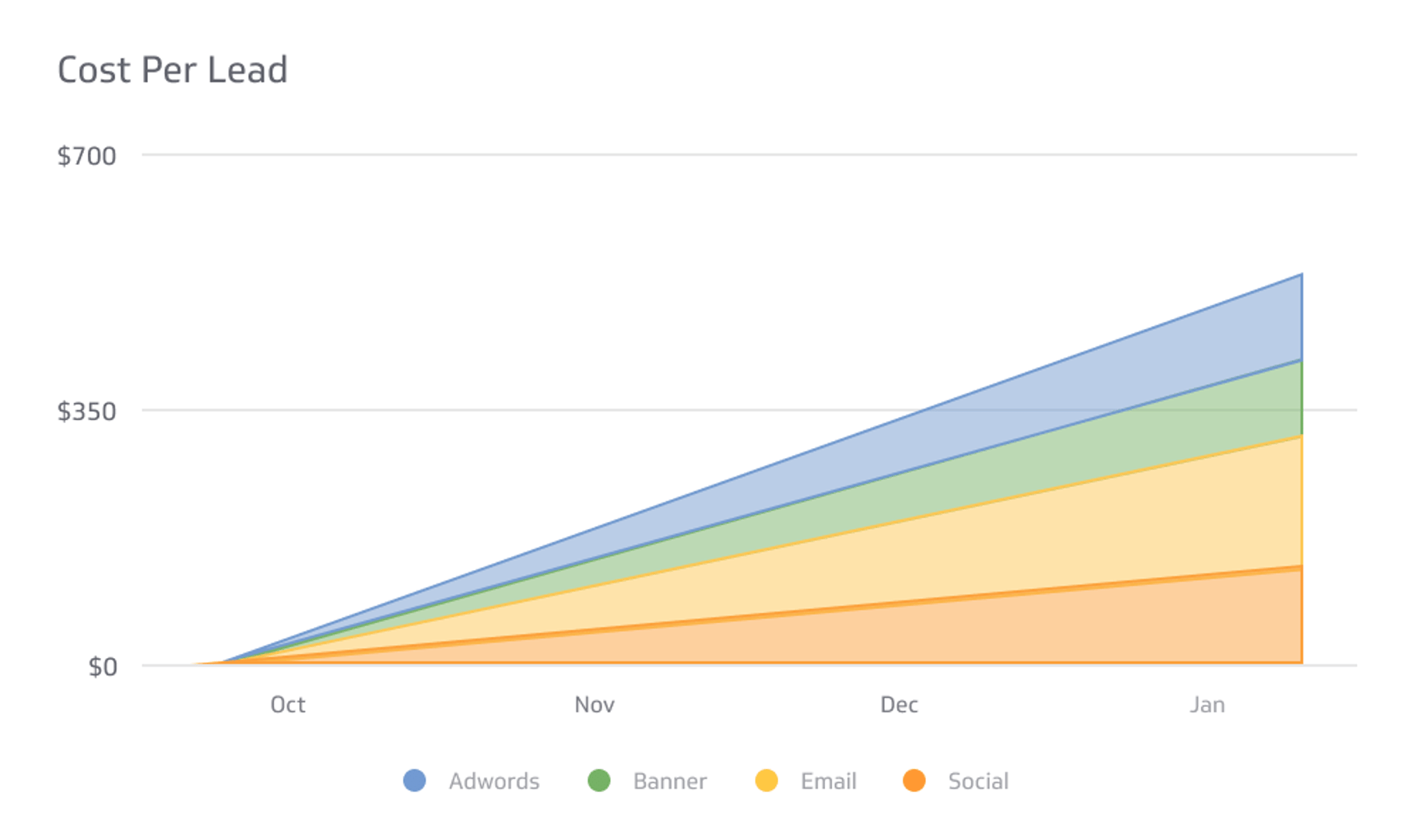
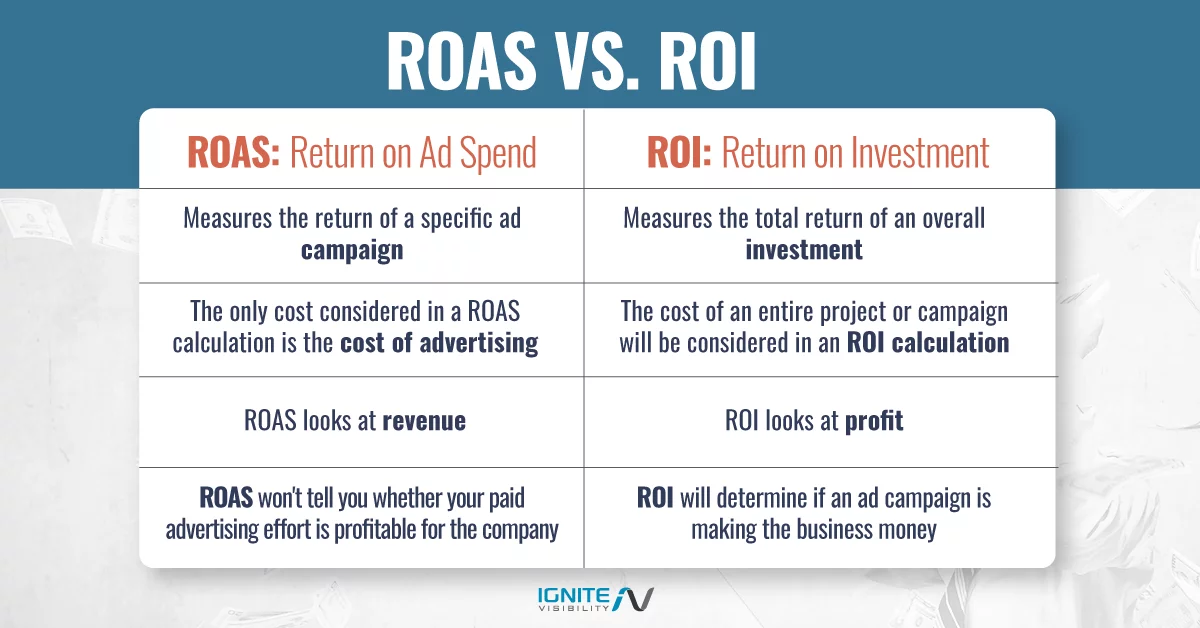
Paid leads cost:
- Money upfront
- Continuous budget
- Testing expenses
Advantages:
- Immediate traffic
- Fast results
- Scalable quickly
Disadvantages:
- Rising ad costs
- Platform dependency
- Zero long-term asset
Paid leads are fast but expensive.
Trust & Quality of Leads
Organic Leads Quality
Organic leads usually:
- Trust your brand more
- Have higher intent
- Ask better questions
- Convert at higher quality
Why?
Because they’ve:
- Read your content
- Watched your videos
- Engaged with your ideas
They don’t feel “sold to” — they feel guided.
Paid Leads Quality
Paid leads vary widely.
Some are:
- Highly qualified
- Ready to buy
Others are:
- Curious but not serious
- Price shoppers
- Low intent
Quality depends on:
- Targeting accuracy
- Ad messaging
- Landing page clarity
- Follow-up process
Paid leads require strong filtering and nurturing.
Speed of Results
Organic Leads: Slow but Stable
Organic growth takes time:
- SEO may take months
- Content builds gradually
- Audience trust develops slowly
But once momentum builds, it’s stable and predictable.
Paid Leads: Fast but Fragile
Paid campaigns can generate leads:
- In hours
- On the same day
- At scale
But:
- Pause ads = zero leads
- Policy changes can kill campaigns
- Competition raises costs
Paid leads are rented attention, not owned.
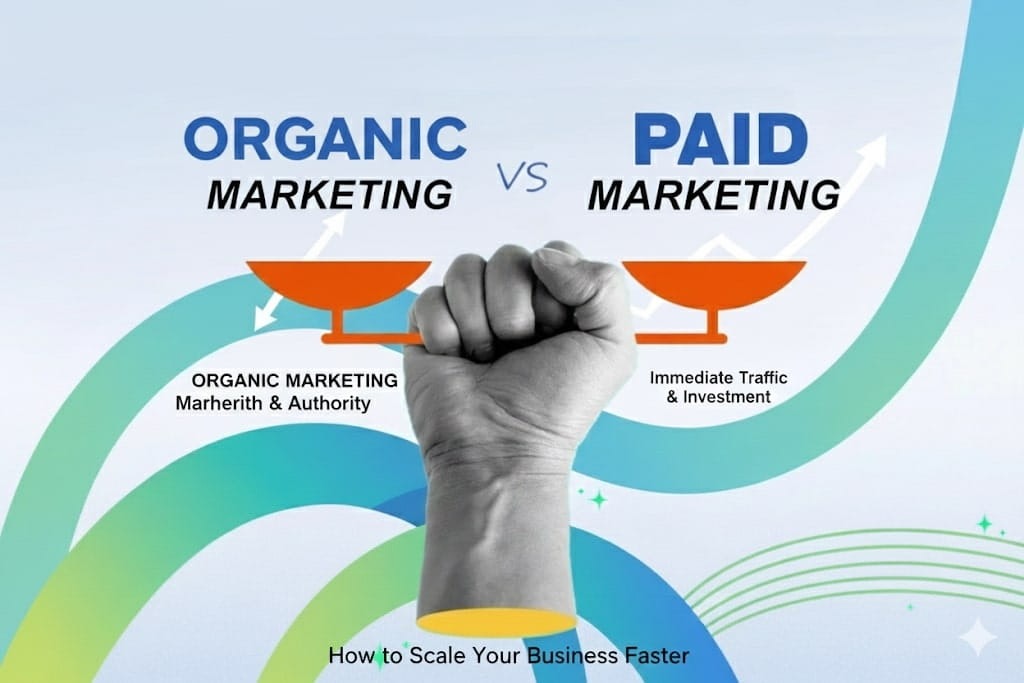
Scalability & Control

4
Organic Scalability
Organic growth scales by:
- Publishing more value
- Improving authority
- Building brand trust
Limits:
- Time
- Team capacity
But control remains with you.
Paid Scalability
Paid marketing scales by:
- Increasing budget
- Expanding audiences
- Launching new creatives
Limits:
- Cost
- Platform rules
- Algorithm changes
Control stays with the platform, not you.
Impact on Brand Building
Organic Leads Build Brand
Organic marketing:
- Builds authority
- Creates thought leadership
- Strengthens brand recall
- Positions you as an expert
People remember you even when they’re not buying yet.
Paid Leads Drive Action, Not Memory
Paid ads:
- Drive quick action
- Push offers
- Promote urgency
But often:
- People remember the offer, not the brand
- Loyalty is weaker without organic support
When Organic Leads Are Better
Organic leads are better if:
- You want long-term growth
- You’re building a brand
- You want lower acquisition costs over time
- You value trust and authority
- You’re not in a rush
Best for:
- Service businesses
- Consultants
- Coaches
- Content-driven brands
- B2B companies
When Paid Leads Are Better
Paid leads are better if:
- You need quick results
- You’re launching something new
- You want predictable volume
- You have validated offers
- You can afford ad spend
Best for:
- Product launches
- E-commerce
- Events & webinars
- Seasonal offers
The Smart Approach in 2026: Use Both Together

4
In 2026, organic vs paid is the wrong question.
The better question is:
“How do I use both strategically?”
Ideal Lead Strategy:
- Use paid ads for speed, testing, and scaling
- Use organic marketing for trust, authority, and sustainability
- Let organic content warm audiences
- Use paid ads to accelerate conversions
Paid brings attention.
Organic builds relationships.
Common Mistakes Businesses Make
- Relying only on paid leads
- Ignoring organic because it’s “slow”
- Running ads without organic credibility
- Expecting organic results overnight
- Not nurturing paid leads properly
Balance is key.
Final Verdict: Which Is Better?
There is no absolute winner.
Organic leads are better for long-term, trust-based growth.
Paid leads are better for speed, scale, and immediate results.
The best businesses don’t choose sides — they combine strengths.
If you want:
- Stability → Invest in organic
- Speed → Use paid
- Sustainable growth → Use both
Final Thought
Paid leads can grow your business fast.
Organic leads can grow your business strong.
Fast growth without trust collapses.
Slow growth without visibility struggles.
The future belongs to brands that master both.
