


Marketing has changed. People no longer like being interrupted. They skip ads, mute commercials, and scroll past anything that feels “salesy.” But here’s the interesting part — people still buy. A lot.
So what actually works today?
The answer is content marketing.
Content marketing is not about shouting the loudest. It’s about showing up at the right moment, with the right message, in a way that feels helpful instead of pushy. It’s the difference between forcing attention and earning trust.
Let’s break it down — simply, honestly, and practically.
What Is Content Marketing?
Content marketing is the process of creating valuable content that helps people, so that over time, they trust you enough to buy from you.
That’s it.
You’re not directly selling.
You’re educating, entertaining, guiding, and solving problems.
When someone reads your blog, watches your video, saves your Instagram post, or forwards your email — that’s content marketing doing its job.
Instead of saying:
“Buy my product.”
You say:
“Here’s how to solve your problem — and by the way, I can help.”
Why Content Marketing Works So Well Today
Think about your own behavior.
Before buying anything, you:
- Google it
- Watch reviews
- Read blogs
- Check Instagram
- Compare options
Your audience does the same.
Content marketing works because:
- People trust information more than advertisements
- It builds relationships before transactions
- It keeps working long after it’s published
A good blog written today can bring traffic for years. A helpful YouTube video can generate leads while you sleep. That’s the power of content.
The Core Purpose of Content Marketing
Content marketing is not just about posting content regularly. It has deeper goals:
1. Building Trust
People buy from brands they trust. Content helps you earn that trust slowly and naturally.
2. Educating the Audience
An educated customer is a confident customer. Blogs, videos, and guides remove confusion and doubts.
3. Creating Long-Term Visibility
Unlike ads that stop when money stops, content keeps attracting people organically.
4. Supporting the Sales Funnel
From awareness to decision-making, content supports every stage of the buyer’s journey.
Types of Content Marketing (With Real-World Examples)

5
Content marketing isn’t limited to blogs. It exists in many forms:
1. Blog Content
Blogs are the backbone of content marketing. They help with:
- SEO
- Education
- Authority building
Example:
“How to choose the right skincare routine for oily skin”
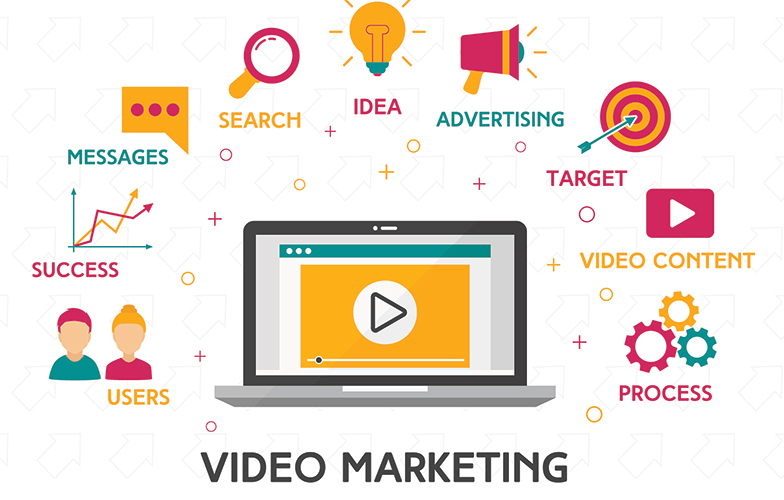
2. Video Content
Videos build faster emotional connection.
- YouTube videos
- Reels & Shorts
- Tutorials
- Explainers
Example:
“A 5-minute guide to filing GST for small businesses”
3. Social Media Content
This is where conversation happens.
- Carousels
- Stories
- Reels
- Threads
Example:
Instagram carousel explaining “5 mistakes new entrepreneurs make”
4. Email Content
Emails nurture relationships.
- Newsletters
- Educational sequences
- Product updates
Example:
Weekly tips on improving productivity
5. Visual Content
Humans process visuals faster.
- Infographics
- Charts
- Memes
- Slides
Content Marketing vs Traditional Marketing
Traditional marketing talks at people.
Content marketing talks with people.
| Traditional Marketing | Content Marketing |
| Interruptive | Permission-based |
| Short-term | Long-term |
| Pushy | Helpful |
| Costly | Cost-efficient |
| Brand-centric | Audience-centric |
People remember how you helped them — not how aggressively you sold.
The Content Marketing Funnel Explained Simply
Every good content strategy follows a journey:
Awareness Stage
Content that introduces the problem.
- Blog posts
- Social media tips
- Educational videos
Goal: Make people aware
Consideration Stage
Content that compares solutions.
- How-to guides
- Case studies
- Comparison blogs
Goal: Build preference
Decision Stage
Content that builds confidence.
- Testimonials
- Product demos
- FAQs
Goal: Convert trust into action
How Content Marketing Helps SEO
Search engines love content that helps users.
When you publish valuable content:
- People stay longer on your website
- They share your content
- They link back to it
All of this tells search engines:
“This website is useful.”
That’s why content marketing and SEO go hand in hand. Without content, SEO has nothing to rank.
Creating a Content Marketing Strategy (Step by Step)
Step 1: Understand Your Audience
Know their:
- Problems
- Questions
- Language
- Behavior
Good content starts with listening.
Step 2: Set Clear Goals
Are you creating content for:
- Traffic?
- Leads?
- Brand authority?
- Sales?
Clarity matters.
Step 3: Choose the Right Platforms
You don’t need to be everywhere.
Be where your audience actually spends time.
Step 4: Plan Content Consistently
Consistency beats perfection.
- Weekly blogs
- Daily social posts
- Monthly videos
Step 5: Measure and Improve
Track:
- Engagement
- Traffic
- Leads
- Conversions
Then refine.
Common Content Marketing Mistakes to Avoid
- Creating content without strategy
- Copying competitors blindly
- Focusing only on promotion
- Ignoring audience feedback
- Inconsistent publishing
Content marketing is a marathon, not a sprint.
Real Benefits of Content Marketing for Businesses
- Builds brand authority
- Reduces ad dependency
- Generates organic leads
- Improves customer loyalty
- Supports all digital channels
Big brands and small creators use the same principle — value first, sales later.
The Future of Content Marketing
Content marketing is evolving, but its core remains the same.
In the future:
- Authentic voices will win
- Storytelling will matter more
- Short and long content will coexist
- Trust will be the real currency
People don’t want perfect brands.
They want real, relatable, and helpful ones.
Conclusion
Content marketing is not a trend. It’s a mindset.
It’s about caring enough to help before asking for anything in return. When done right, it doesn’t feel like marketing at all — it feels like guidance.
If you want attention, you can buy ads.
If you want loyalty, build content.
And in the long run, trust always converts better than tactics.
